


How we design and build Bitrise: the engineering decisions, experiments and lessons behind our features.
Gradle build cache misses are hard to debug. Here’s how we designed Gradle Task IO to show which task inputs changed.
An engineer's POV on rebuilding CodePush from scratch: what we rebuilt, what broke, and how we went from 100 to 20,000 requests a second.
How do you give a whole company an AI data analyst and still trust the numbers? The build story behind Data Mage, plus the post-launch changes that moved accuracy the most.
One of the busiest engineers at Bitrise doesn't have a laptop. It lives in Slack. Assign it a Jira ticket or @mention it in a thread, and it reads the requirements, posts a plan, spins up a cloud dev machine, writes and tests the code, opens a pull request, watches CI, and more. This is how we built Kolega.
This is the fourth and final installment in our series about bringing AI to Bitrise. In Part 1, we explained why we built our own AI coding agent. Part 2 covered our browser-integrated AI Assistant. Part 3 detailed how we brought AI to the Bitrise Build Hub. In this post, we'll explore how we unified these efforts into a cohesive AI Platform.
In this technical deep dive, we explain how we coded our powerful sandboxed AI agent, designed to run without engineer intervention using a pre-defined list of allowed tools.
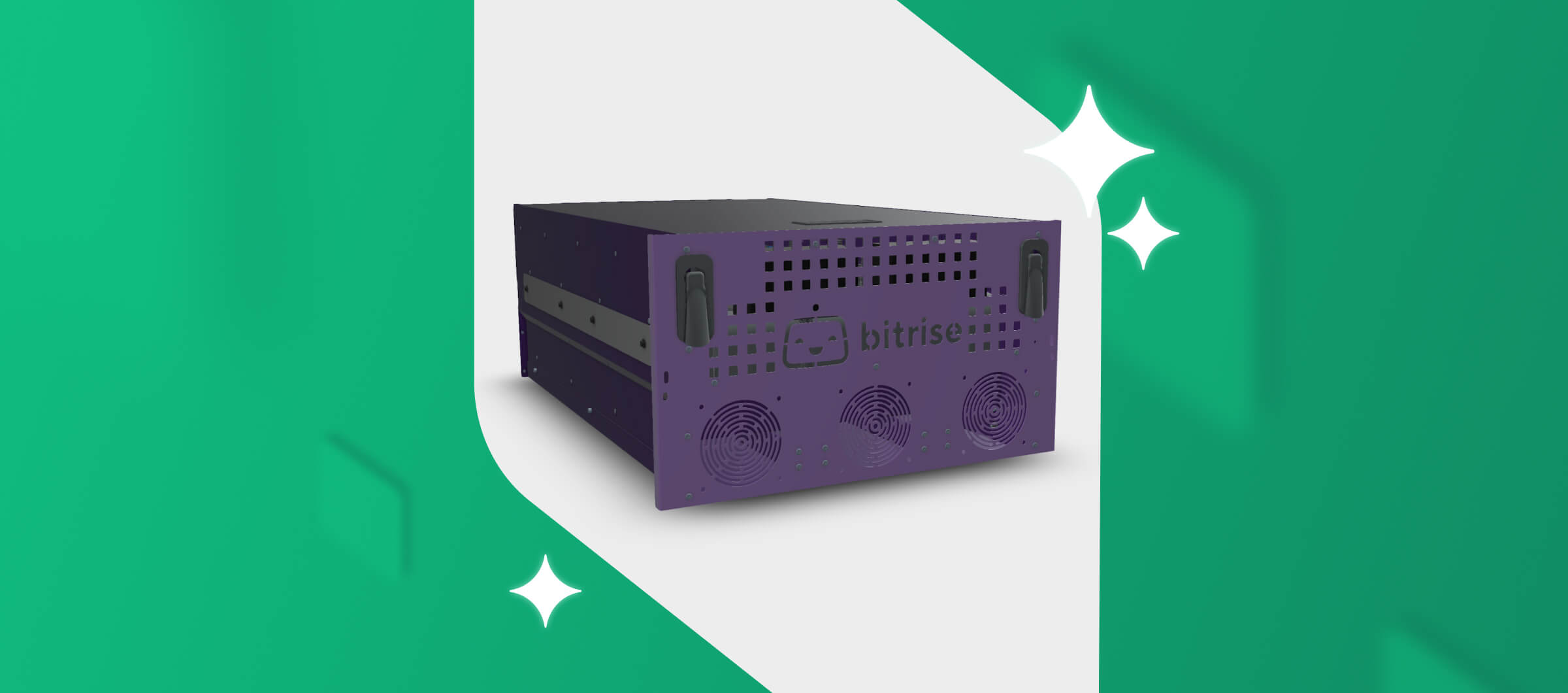
Say hello to the Mini Orchard! No flaky builds because of “data‑center air” at Bitrise: we built our own chassis that can talk to the Bitrise scheduler, can pre‑cool itself, and squeezes 32 Mac minis into a 6 rack unit oversized pizza box.
Stay up to date with the latest mobile DevOps insights, CI/CD best practices, and product updates from Bitrise.